Scott Kelly
The former NASA astronaut, EMT, and ambulance driver is raising $2,400,000 towards 20 reanimobiles for Ukrainian hospitals.
Total collected: $ 0
Total collected: $ 0
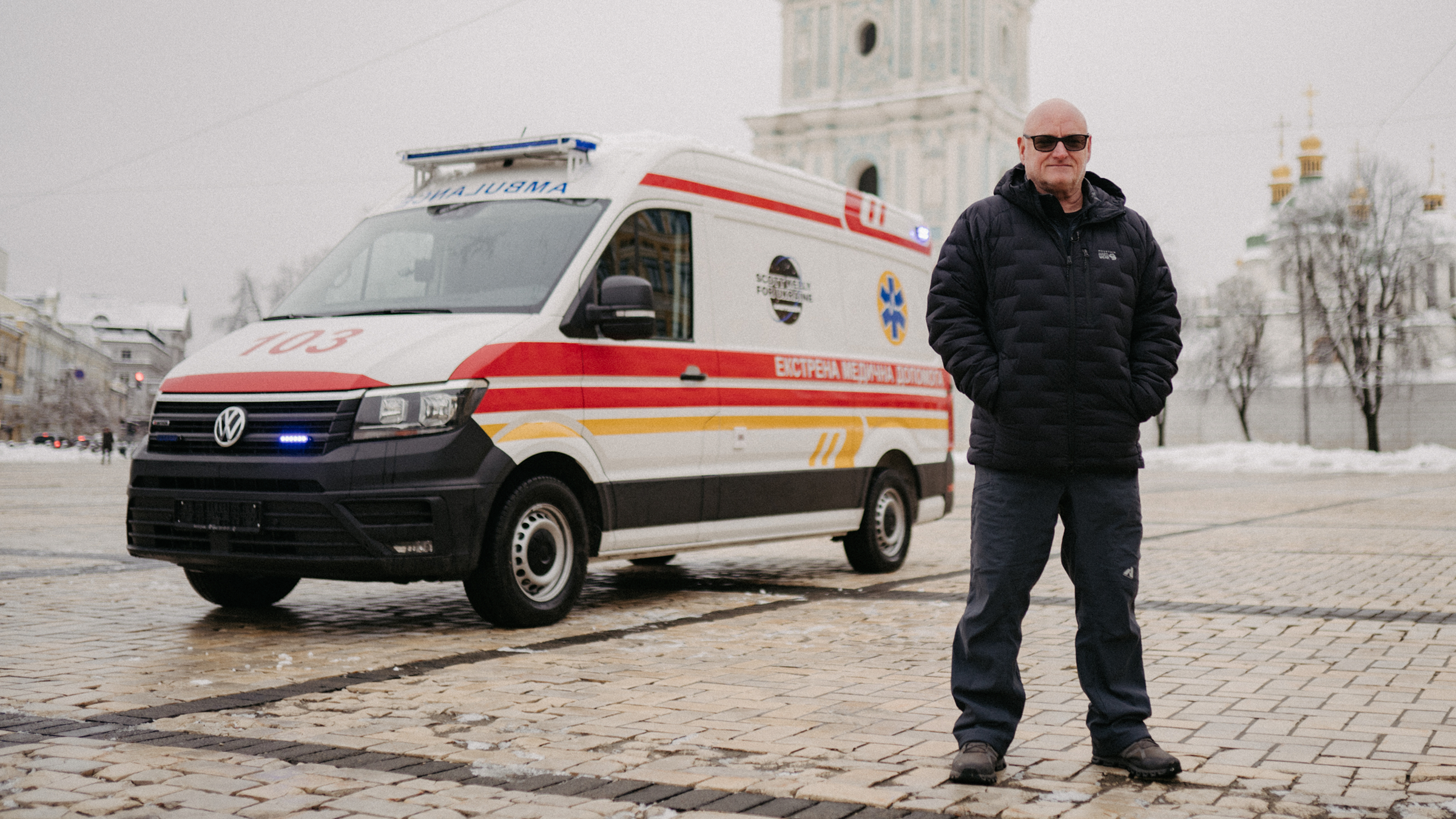

The former NASA astronaut, EMT, and ambulance driver is raising $2,400,000 towards 20 reanimobiles for Ukrainian hospitals
The former NASA astronaut, EMT, and ambulance driver is raising $2,400,000 towards 20 reanimobiles for Ukrainian hospitals.
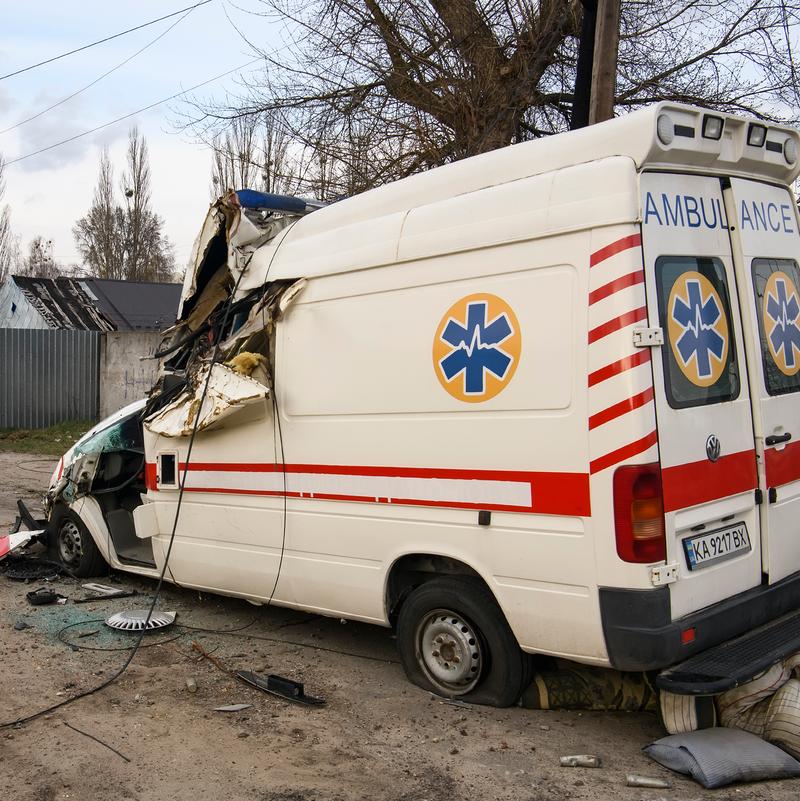
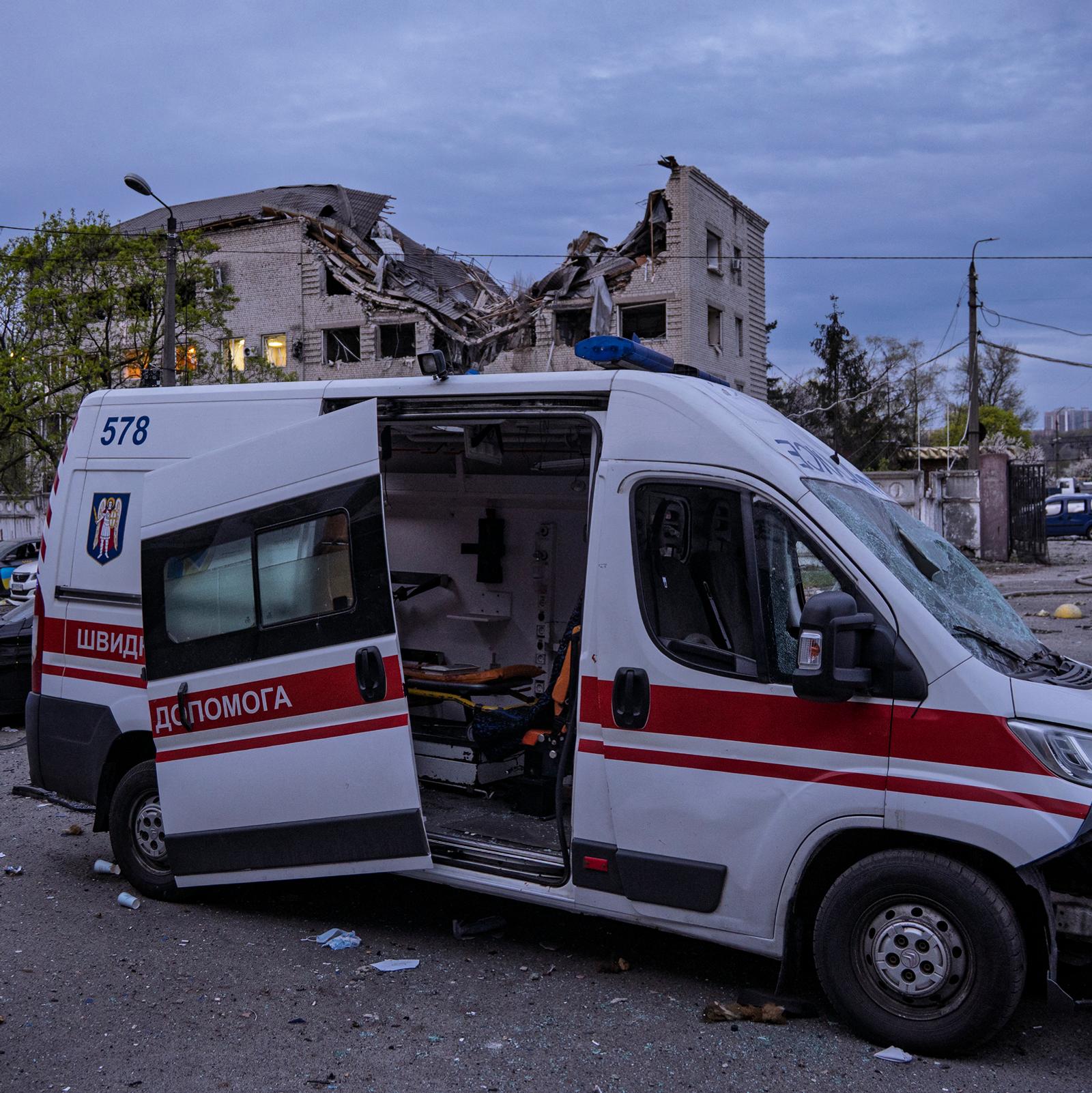
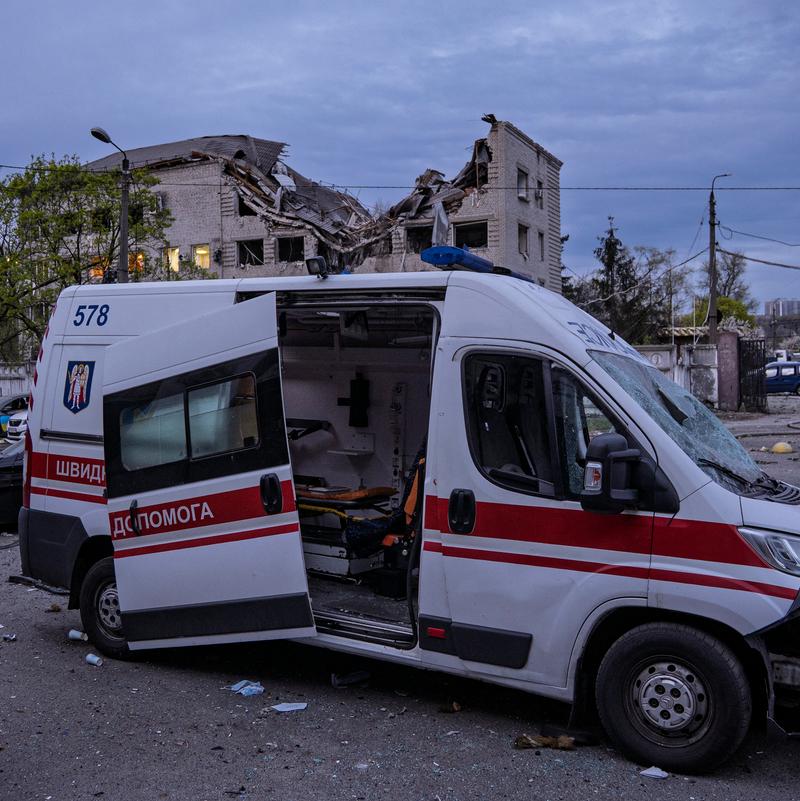
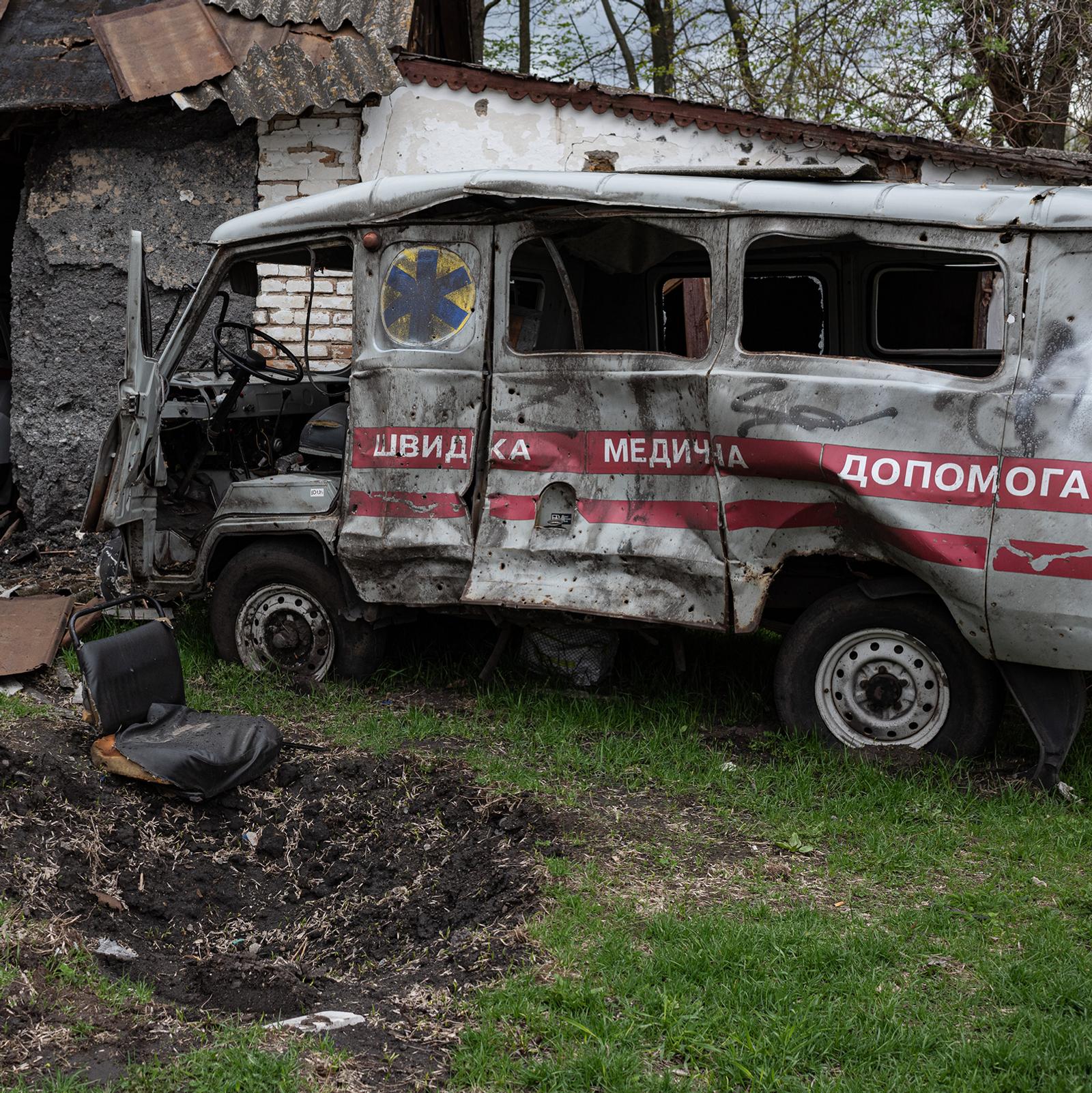
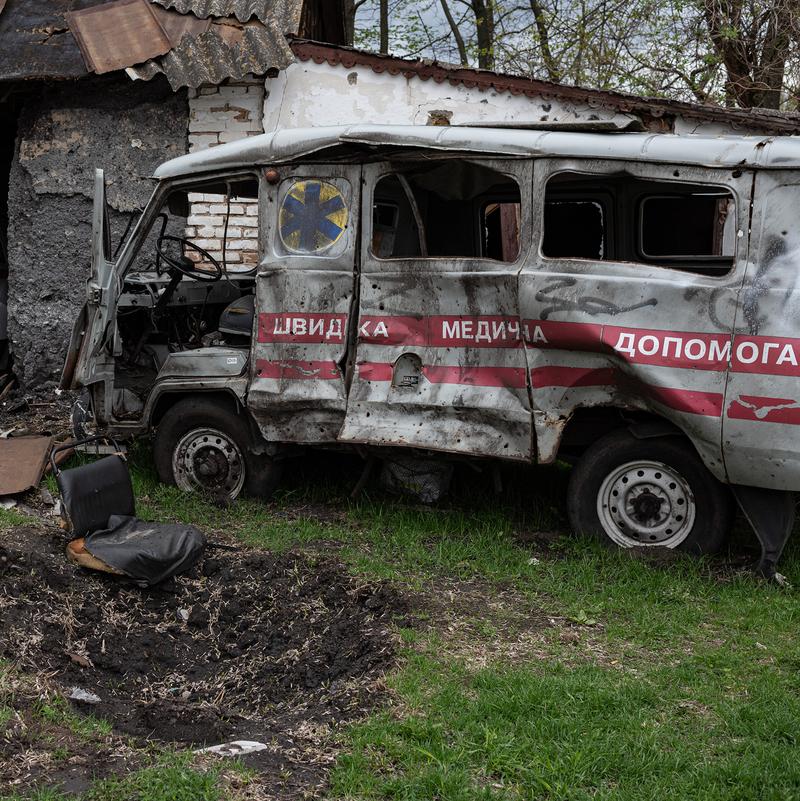
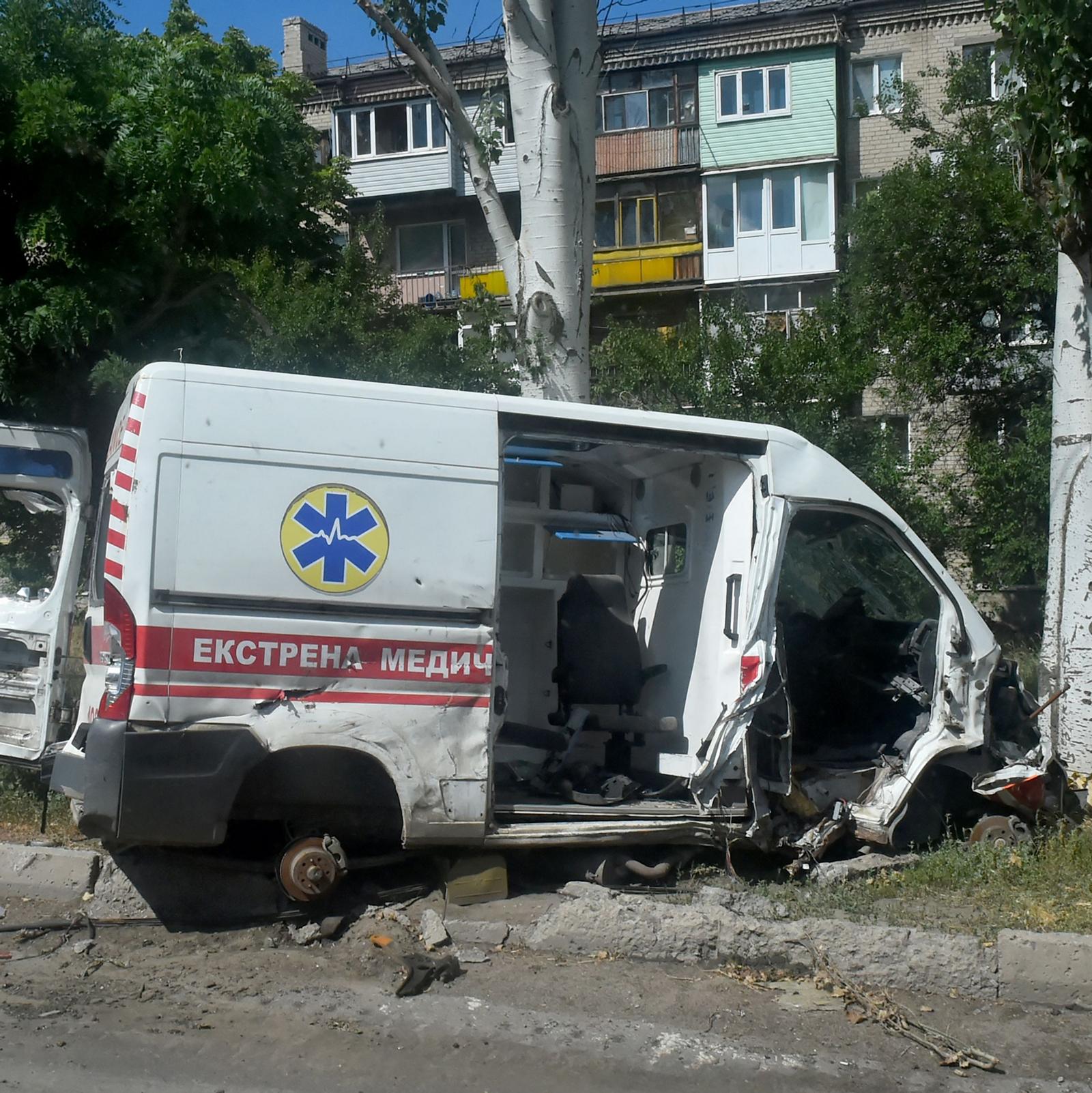
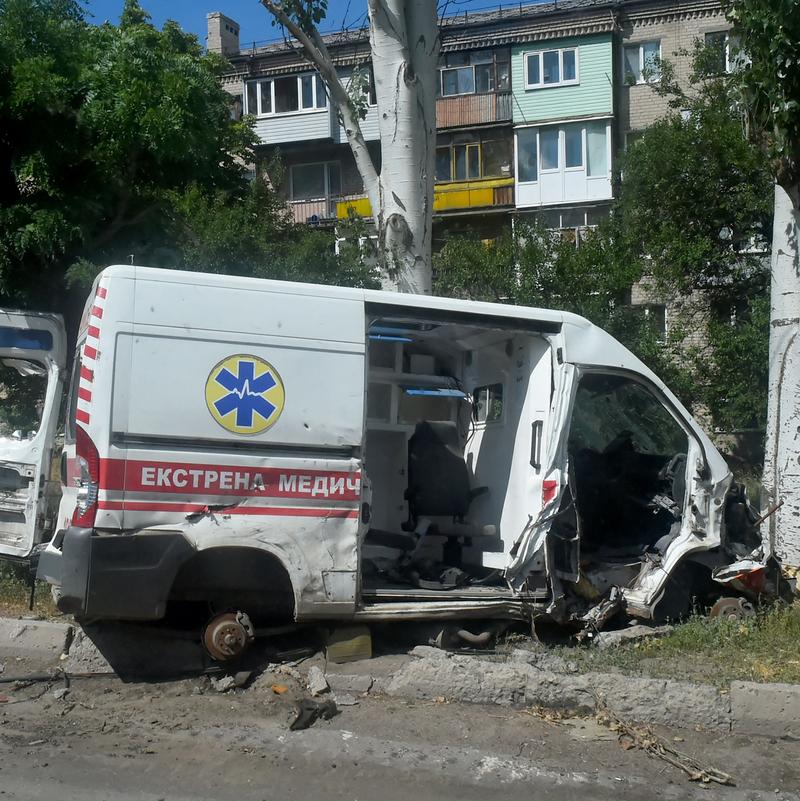
Ambulances are always in demand — both on the frontline and behind it. Besides the obvious factors, with russia constantly targeting Ukrainian military and civilians all across the country, medical transport workflow is even more intense and vehicles wear down very fast, especially near the front, in regions with damaged road infrastructure.
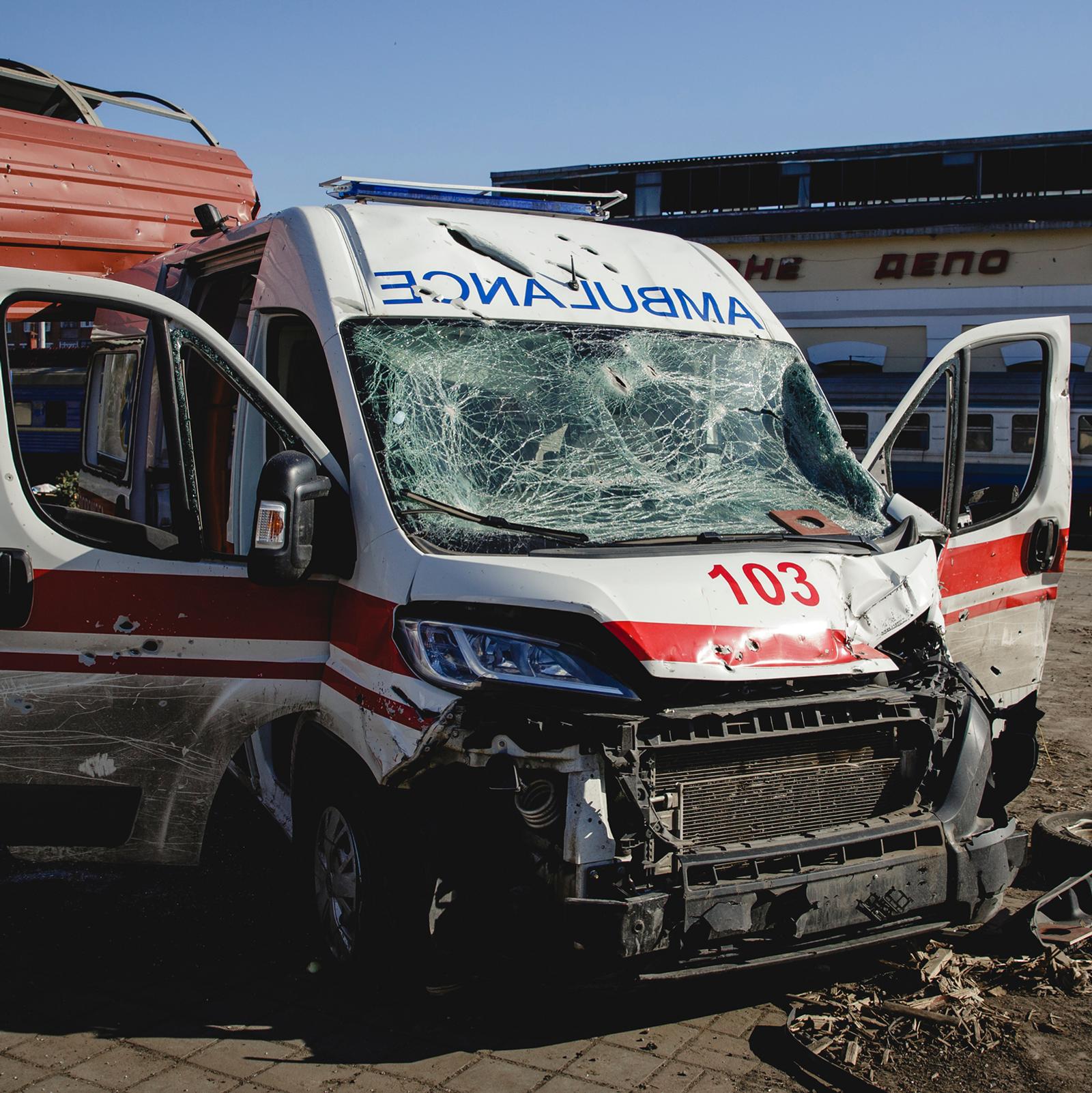
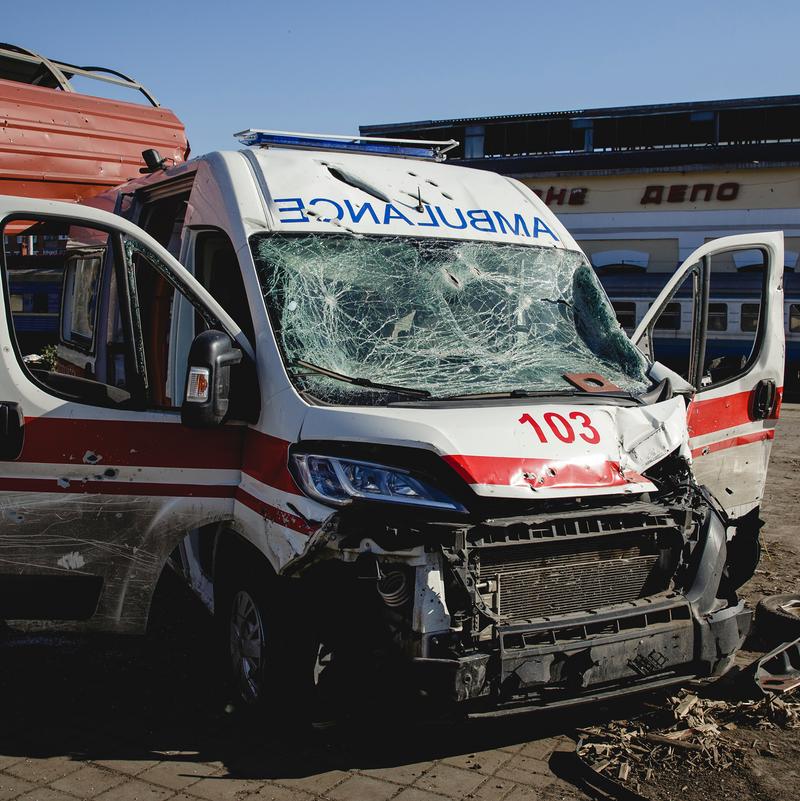
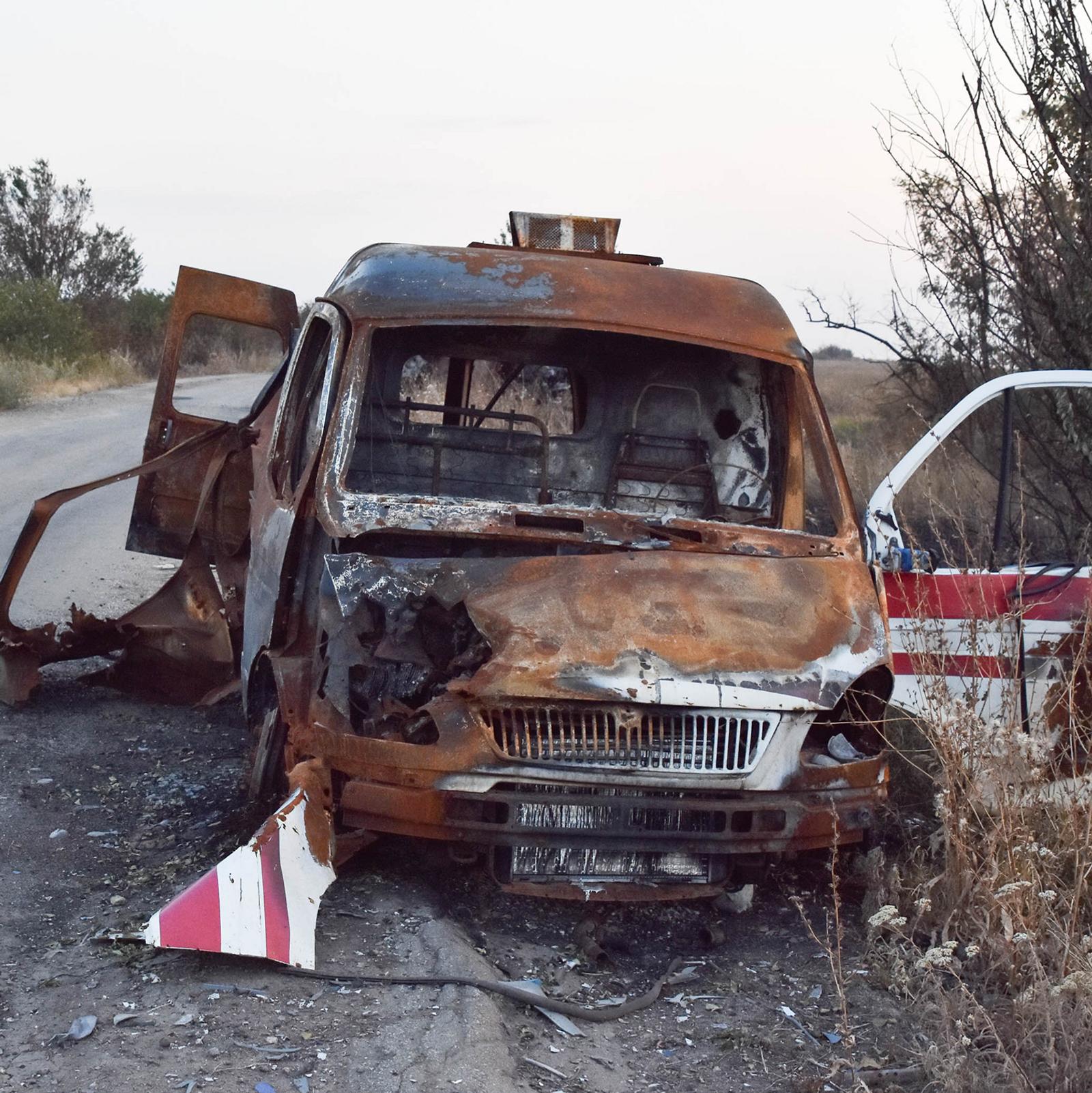
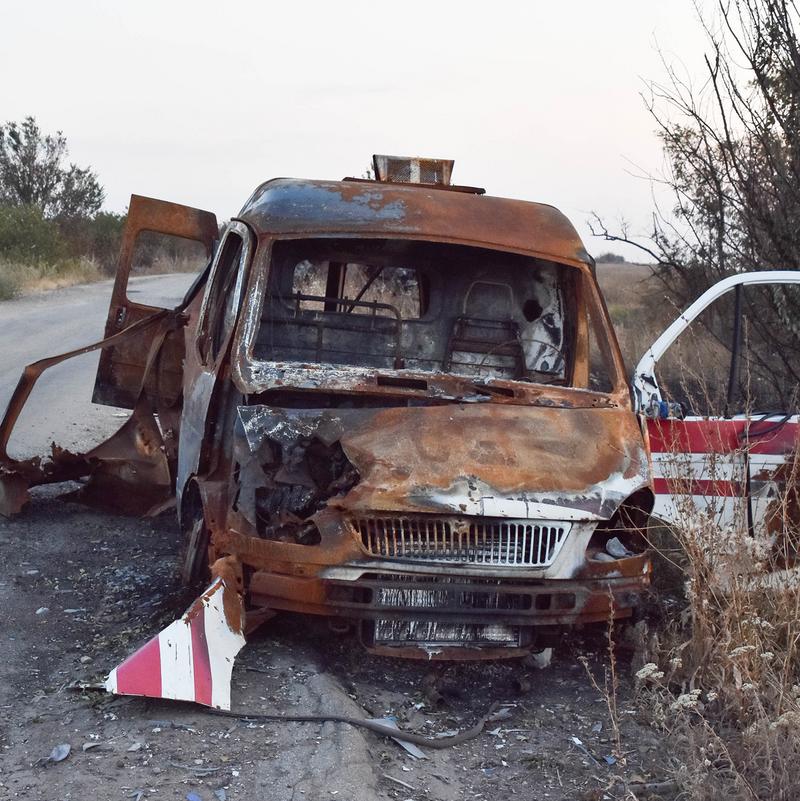
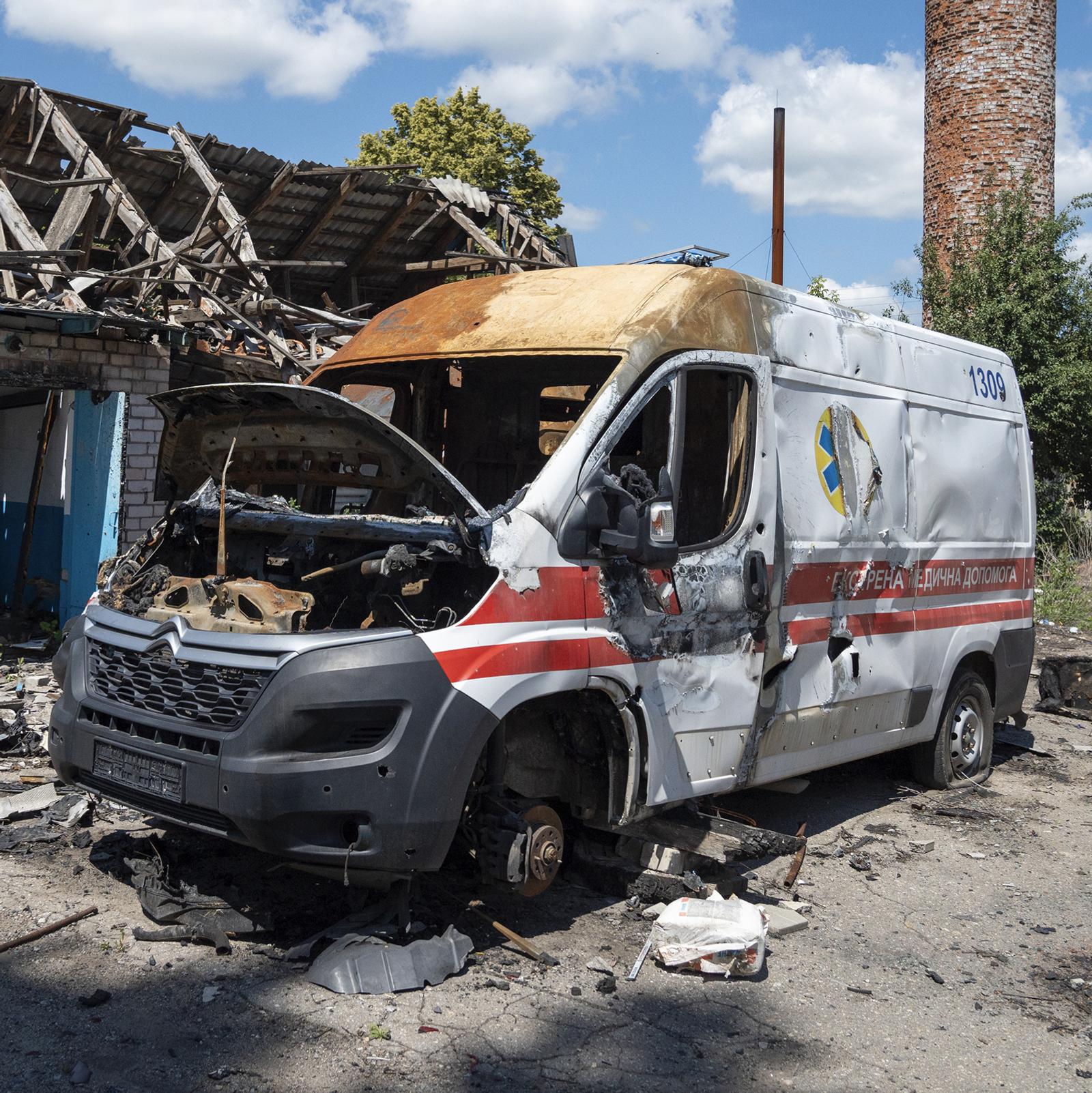
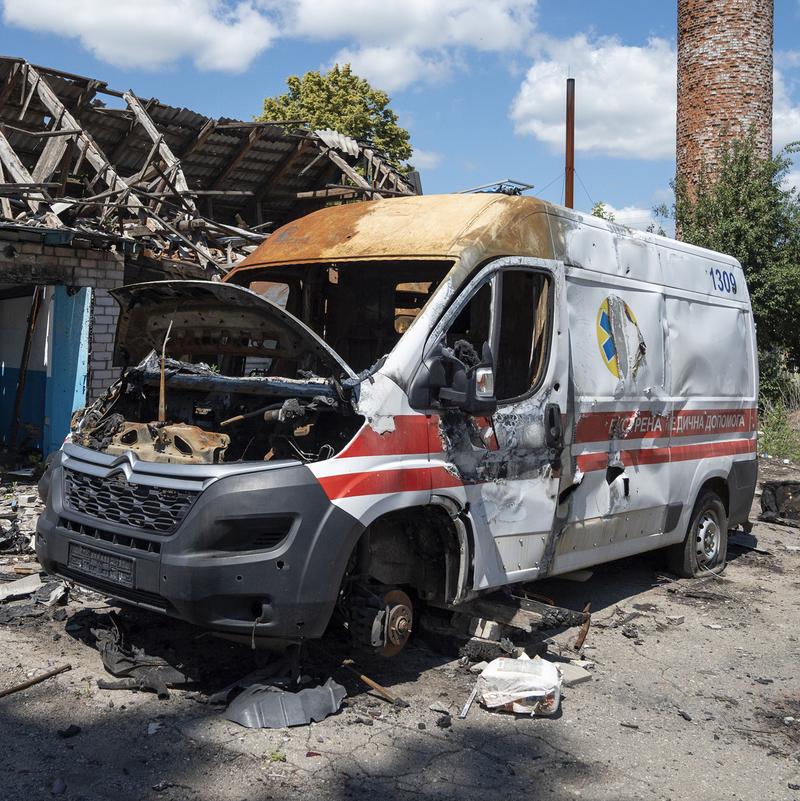
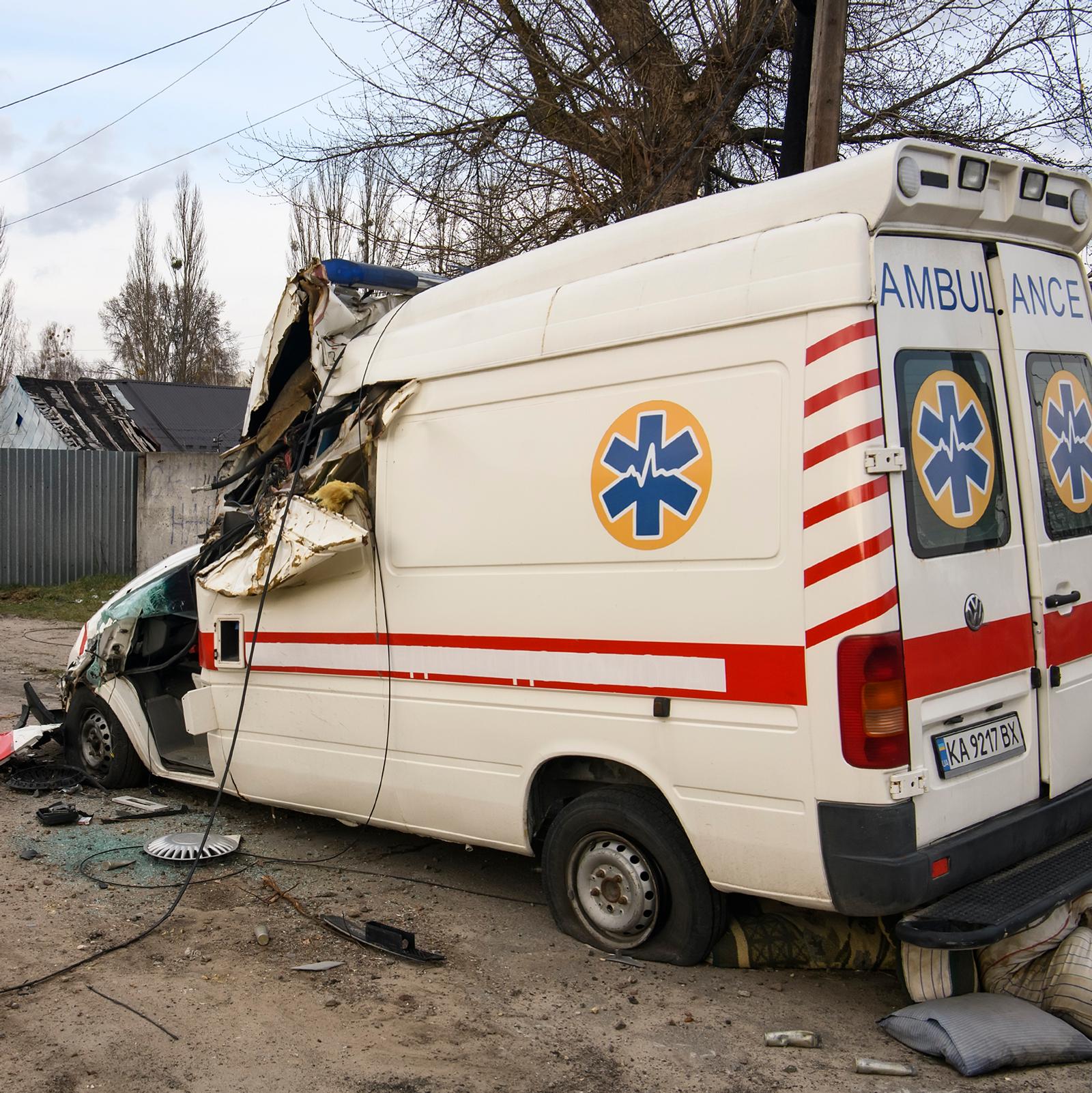
In 2025, Ukrainian medics responded to more than 4.5 million calls. According to medical care experts, the service life of an emergency vehicle averages around 3 years, bar the risk of being damaged by russian gunfire or artillery. Since the start of the full-scale invasion, russia has destroyed or damaged 495 ambulances, 46 of those in 2026 alone.
An ambulance shortage directly affects the ability of medical teams to provide emergency care to missile and drone victims and transport them to healthcare facilities.
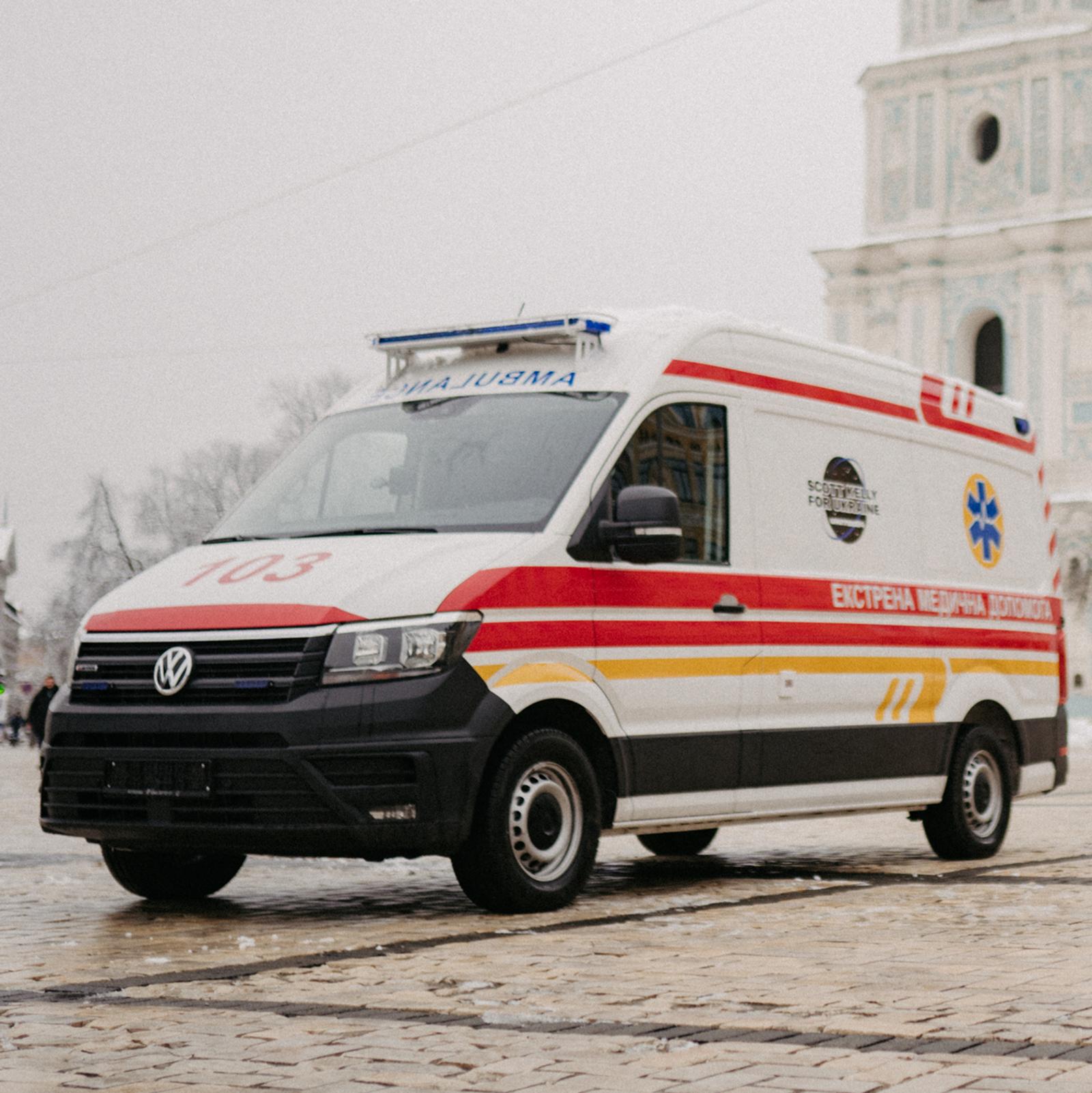
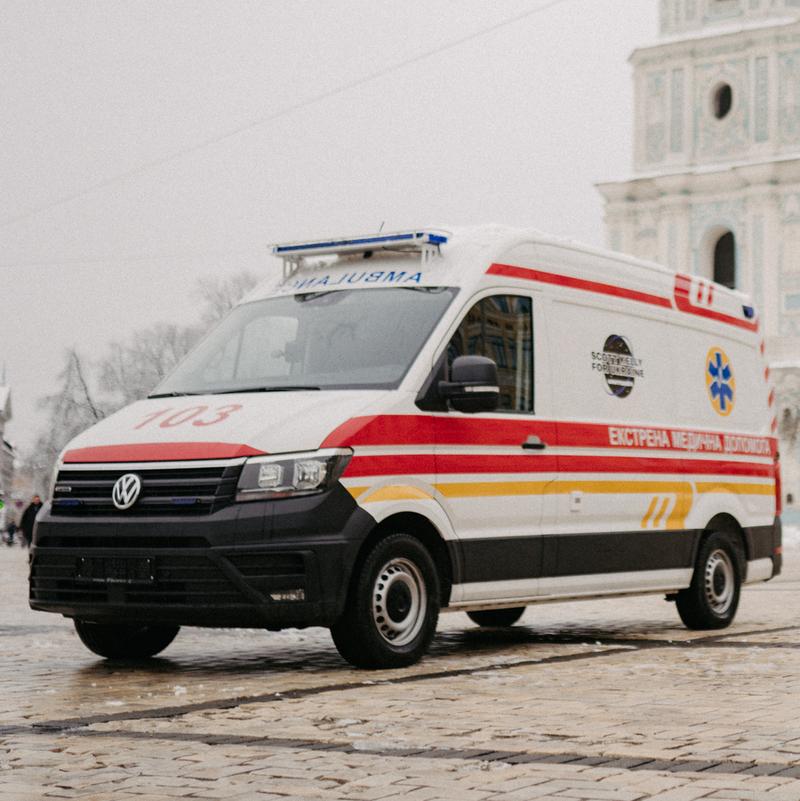
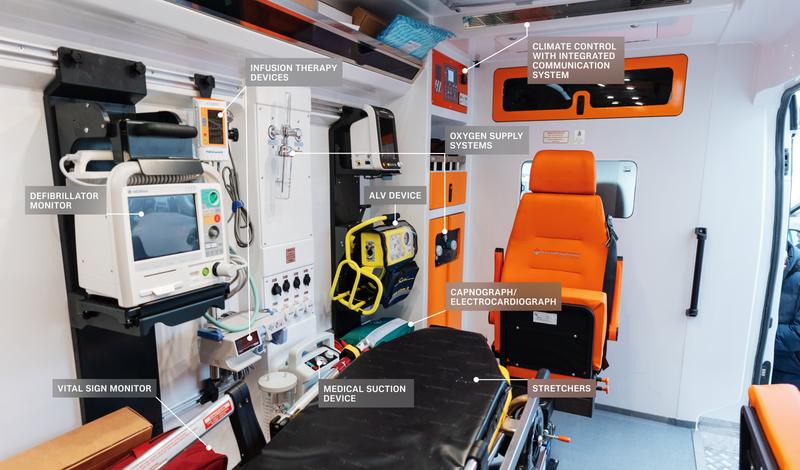
Modern ambulances are often called reanimobiles for a reason. Besides transporting patients to hospitals, they’re fully equipped to literally bring patients back to life.
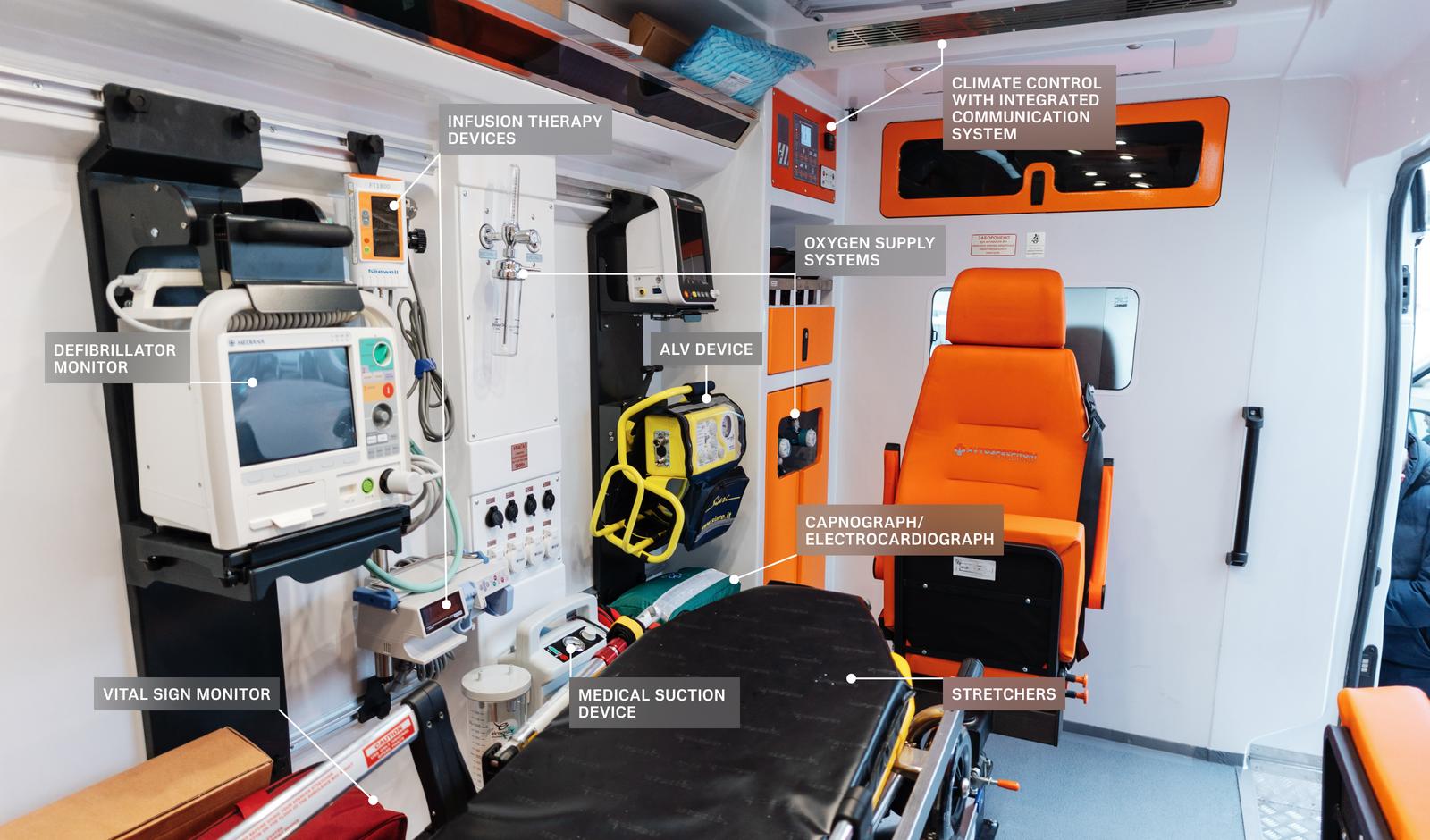
Their medical module includes oxygen supply systems, artificial lung ventilation device, defibrillator monitor, capnograph, electrocardiograph capable of remote ECG transmission, and vital sign monitor, as well as stretchers and infusion therapy devices. They also feature advanced safety, communication and navigation systems, such as light and sound signaling, GPS, video recorder, climate control, and parking sensors.
All of this ensures full emergency medical care and safe transportation of patients — even those in the most severe of conditions.
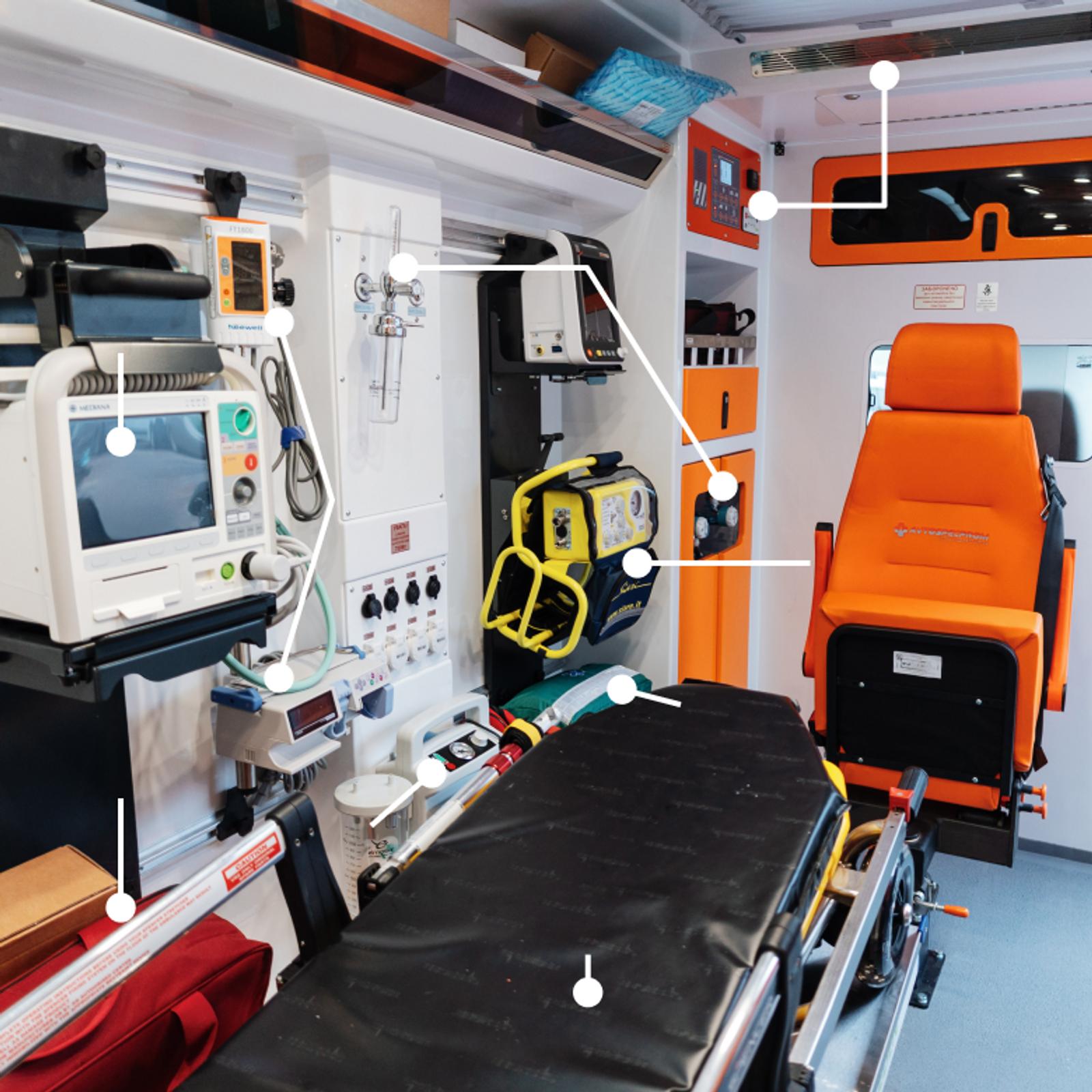
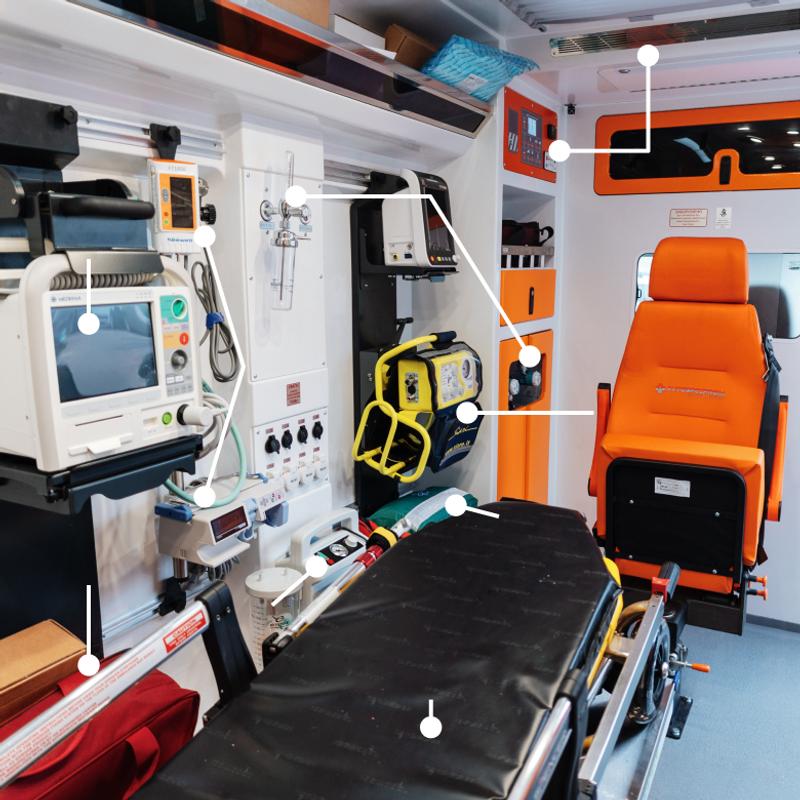
Modern ambulances are often called reanimobiles for a reason. Besides transporting patients to hospitals, they’re fully equipped to literally bring patients back to life.
Their medical module includes oxygen supply systems, artificial lung ventilation device, defibrillator monitor, capnograph, electrocardiograph capable of remote ECG transmission, and vital sign monitor, as well as stretchers and infusion therapy devices. They also feature advanced safety, communication and navigation systems, such as light and sound signaling, GPS, video recorder, climate control, and parking sensors.
All of this ensures full emergency medical care and safe transportation of patients — even those in the most severe of conditions.
We are raising funds for 20 all-wheel drive reanimobiles* that will be purchased for medical facilities in the Kharkiv, Zaporizhzhia, Sumy, and Kherson regions, as well as for the Ukrainian Scientific and Practical Center of Emergency Medical Care and Disaster Medicine of the Ministry of Health of Ukraine.
*Final price for ambulances may vary, based on each vehicle’s equipment and the results of the procurement procedure, which may potentially influence the total number of vehicles funded.


This the second fundraiser for ambulances by Scott Kelly via UNITED24. In 2023, he raised $650,023 — after funding one personally.
These ambulances have already helped save many Ukrainians, and each extra one will make a huge impact through aiding Ukrainian medics in their titanic work. Each donation contributes to this crucial effort.


This the second fundraiser for ambulances by Scott Kelly via UNITED24. In 2023, he raised $650,023 — after funding one personally.
These ambulances have already helped save many Ukrainians, and each extra one will make a huge impact through aiding Ukrainian medics in their titanic work. Each donation contributes to this crucial effort.